
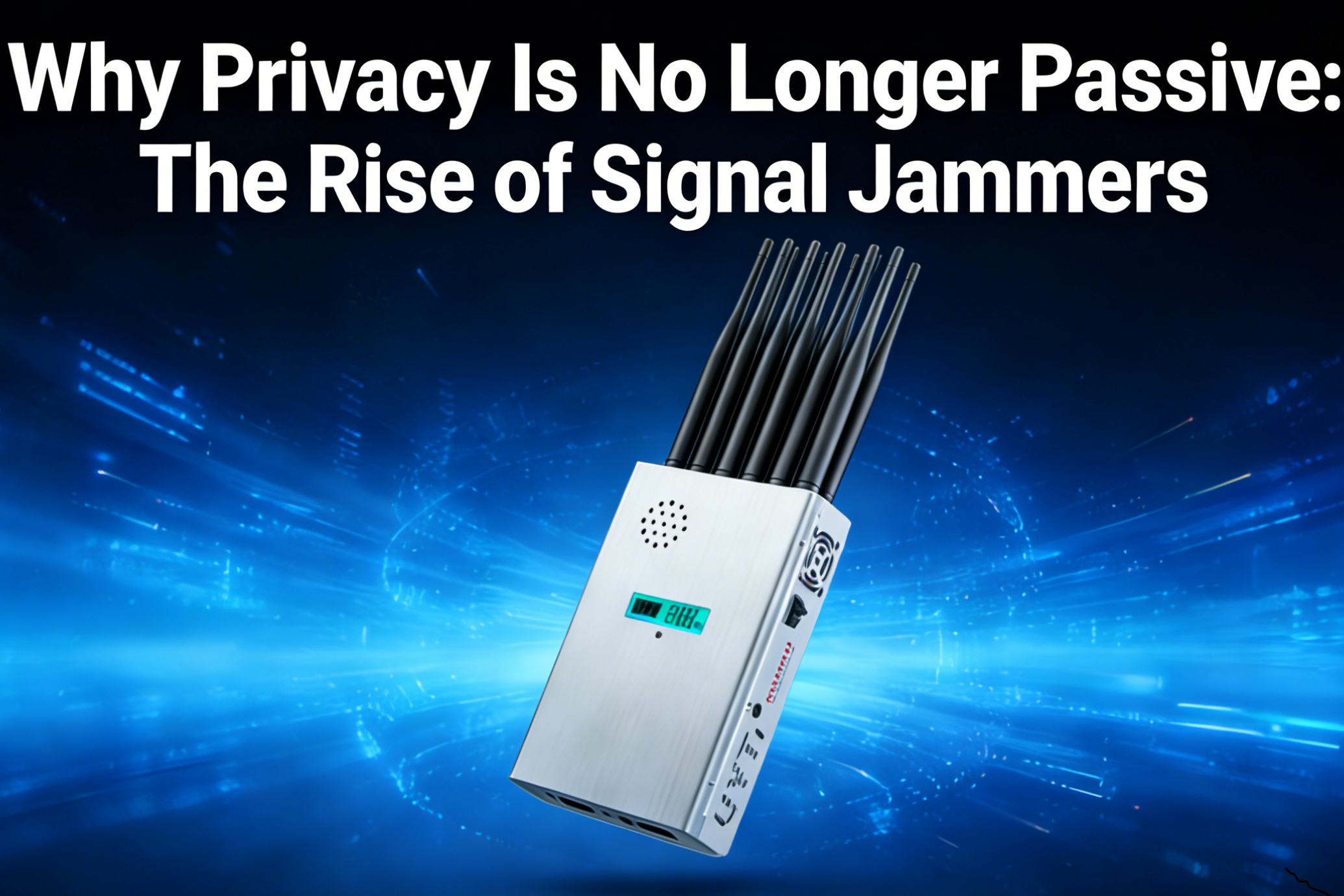
For a long time, people treated privacy as something passive. You set a few permissions, maybe installed a VPN, and assumed you were safe. Done.
That idea doesn’t really hold up anymore.
Today, your phone is constantly sending signals—location pings, WiFi probes, Bluetooth beacons—even when you’re not actively using it. Your device is always talking, even when you’re not. Personal privacy isn’t just about what you choose to share. It’s also about what your devices are quietly broadcasting all the time.
In the past couple of years, this shift has become impossible to ignore. Take the growing scrutiny around TikTok—regulators have raised concerns about how user data and device activity can be accessed, even running in the background. It made one thing clear: not actively using an app doesn’t mean you’re not being seen.
And it’s not just apps. In 2023, reports involving Tesla revealed concerns about internal access to vehicle camera data. Devices people trust every day—phones, apps, even cars—can still expose sensitive information without users fully realizing it.
Privacy didn’t just change—it expanded. It’s no longer just digital. It’s environmental.
The Security Problem: You will always be visible to people with ulterior motives
Walk into a café, a hotel, or an airport, and your device immediately starts interacting with the environment. You don’t see it happening—but it is.
Your phone is constantly searching for networks, sending out signals, and leaving traces behind. No login required. Just invisible tracking through wireless signals.
- You can’t see who’s scanning networks
- You don’t know who’s sniffing traffic
- You can’t control most of the signals around you
Your presence is constantly being mapped.
Apps Protect Data, Not Your Presence
A lot of people rely on VPNs or encrypted messaging apps. And yes, those help—but only partially.
They protect your data, not your visibility.
Even Mark Zuckerberg ran into this issue. In 2019, Facebook Messenger faced backlash over continuous location tracking. Your messages might be safe—but your device’s signals are still out there.
It’s like locking your doors while leaving the lights on.
The Shift: From Protection to Control
This is where the mindset starts to change.
Instead of only focusing on protecting data, people are starting to reduce exposure. Not just defending—but limiting what’s visible in the first place.
Signal Jammers: A New Layer of Privacy
Enter the signal jammer. And no, this isn’t about hacking or going completely offline.
It’s about reducing unnecessary exposure and taking control of your signal environment.
Think about high-security scenarios. When early iPhone prototypes were developed under Steve Jobs, Cell Phone Signal blocker used to prevent leaks. Signals weren’t just background noise—they were potential risks.
Now that same idea is moving into everyday situations:
- Business meetings with sensitive discussions
- Traveling through unfamiliar networks
- Busy public spaces like airports or cafés
Wireless signal Silencer isn’t about blocking everything. It’s about creating moments where your devices stop broadcasting—on your terms.
Selective Control, Not Total Shutdown
Most people assume a mobile jammer blocks everything. That’s not how it’s actually used.
The real advantage is control. Choosing when your devices connect—and when they don’t.
Privacy Has Become Physical
Here’s what most people haven’t fully realized yet:
Privacy is no longer just inside your phone.
It exists in the space around you.
Signals, devices, and networks have turned personal privacy into something physical—something you carry with you, everywhere.
Even Tim Cook has called privacy a “fundamental human right.” But today, that right depends on how much control you have over your environment—not just your settings.
More Control, More Responsibility
Of course, tools like GPS Tracker Blocker aren’t toys. They can interfere with nearby communications, and their use is regulated in many places.
More control always comes with more responsibility.
The Real Question
It’s no longer just:
“Am I using secure apps?”
It’s now:
“How visible am I right now?”
In a world where everything is connected, personal privacy isn’t something you set once and forget.
It’s something you actively manage.
The rise of signal jamming devices shows the shift—from being passively connected… to consciously in control.